

Building a Whole-School Strategy to Inspire Future Women in STEAM
05/18/2026 b vasileiadis
We want more girls to picture themselves working in science, technology, engineering, arts, or math. That’s what the EITIC-EU Fostering STEAM careers among schoolgirls through women role-models project is all about. At Colegiul Tehnic „Edmond Nicolau” Focșani, we’ve taken this idea and run with it—using it not just for STEAM lessons, but as a spark for a bigger shift across the whole school.
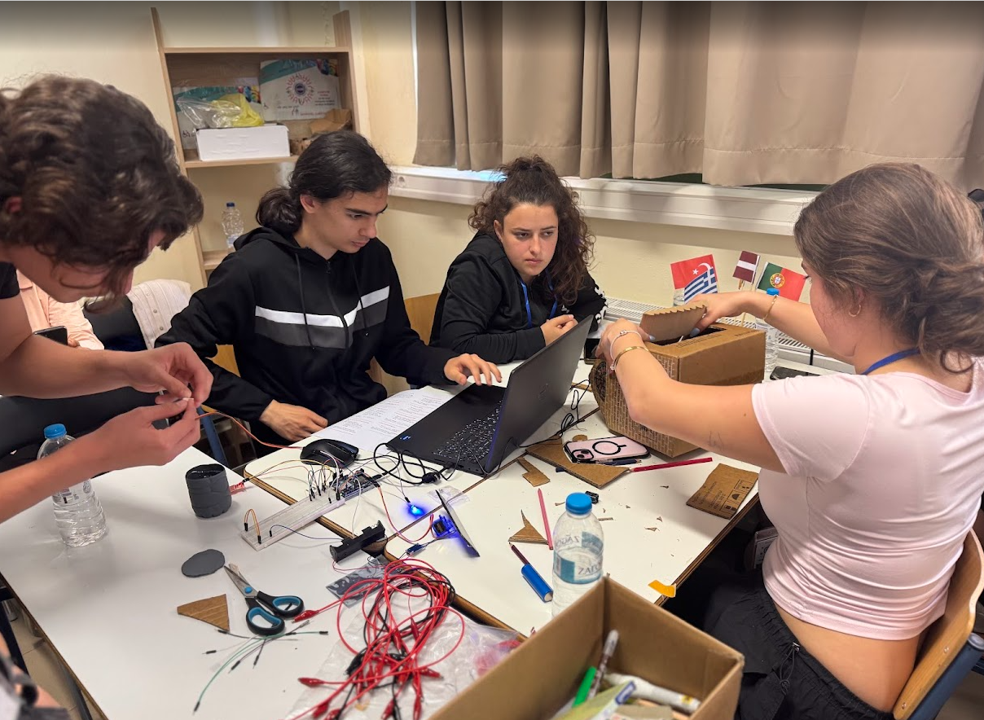
Running Work Package 4 means we’re right in the thick of things: we’re testing out the educational materials the project team created, seeing what students and teachers think of them, and making changes as we go. But we’re also adding our own ideas to make these goals really stick. Here’s what we know—students don’t dream up their future careers during just one science or tech lesson. It happens over time, from all kinds of school experiences.
That’s why we’re weaving in female role models and career talks all through the curriculum, not just in physics or coding. We want our students—over and over—to meet stories of women who changed the world through knowledge and creativity, bold thinking, and leadership.
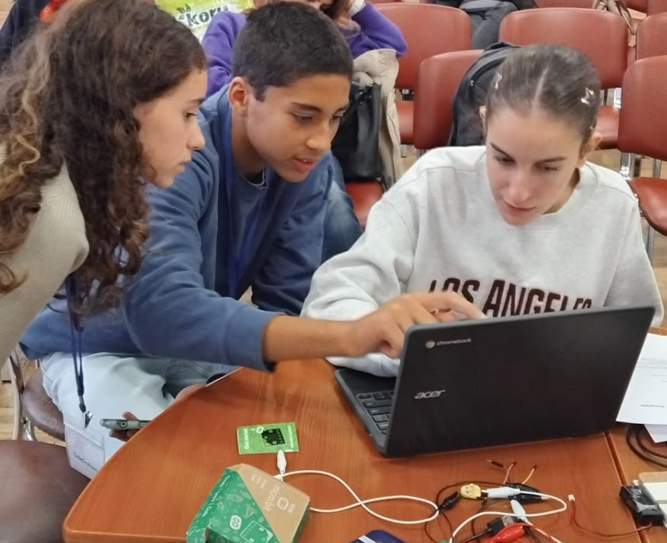
A big part of our approach is involving teachers from every subject, not just the usual STEM suspects. Sure, math and science teachers help kids build their technical chops. But other classes…the ones you wouldn’t expect? They’re the perfect places to challenge stereotypes and open students’ eyes to the real meaning of innovation.
Take literature, for example. Teachers can fill their lessons with women whose ideas and stories changed history—heroes found in novels, biographies, essays, or letters. These stories show that determination, sharp thinking, and grit matter just as much as formulas or code to become an innovator.
In history, teachers shine a spotlight on pioneers—women scientists, engineers, mathematicians, and explorers who often worked against the odds. Some of these stories got buried in old textbooks, but when students hear about them, it’s clear: progress never came from just one type of person, and lots of essential contributions came from women who didn’t always get their share of the spotlight.
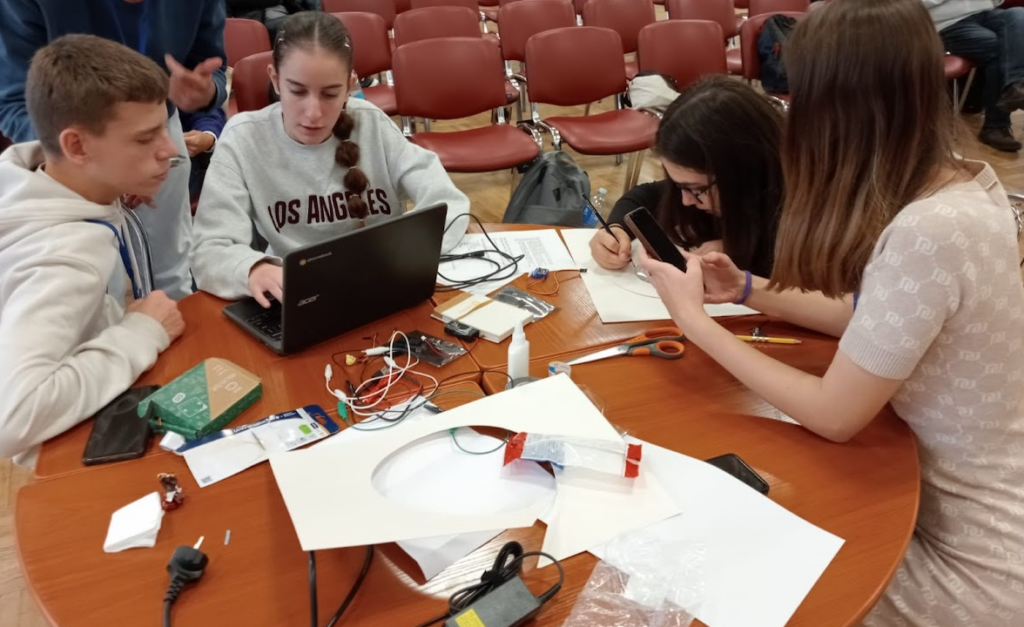
Geography? It’s a chance to look at women who protect our planet, research the climate, or use technology to help in disasters. Students get to see how science solves real, urgent problems—not just stuff for tests, but ways to make a real difference.
Biology teachers introduce students to women in medicine, genetics, biotech, or environmental work—women whose research changes lives right now. When students hear these stories, science becomes personal—relevant to people and communities they know.
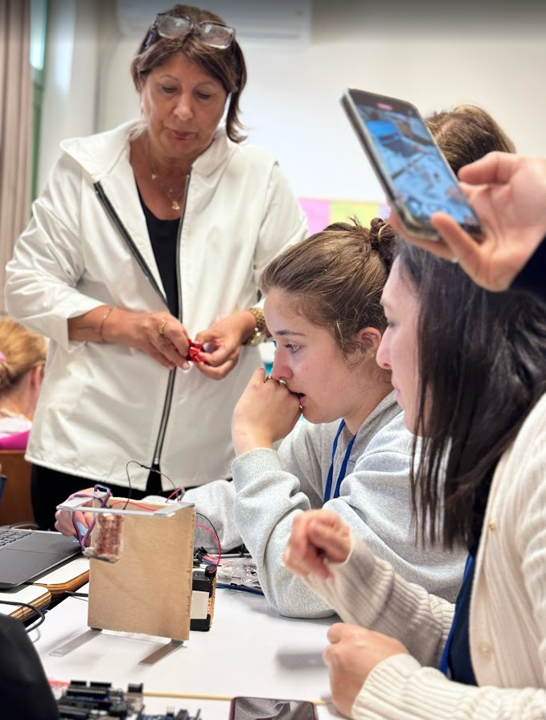
Social science and civics classes open up conversations about fairness and opportunities. They dig into how old stereotypes mess with people’s choices, and help students see their choices more clearly.
The result? Female role models aren’t just a “one-off” during a STEAM week—they’re a regular part of every subject, shaping viewpoints all year long. We’ve found that this kind of exposure really works, especially for students who don’t see themselves as “science types” at first.
Career guidance is another huge piece. In Romania, these counselling classes are scheduled for everyone, so we use them to keep the momentum going. In these sessions, students reflect, explore their interests, and learn practical things about planning a future. We adapt project materials for hands-on activities, talks about bias, teamwork, and creative thinking.
But it gets better when students get to meet real people. We bring in women who work in STEAM—engineers, doctors, environmental experts, tech entrepreneurs, and more—to share their journeys, right from the start of their careers to where they are now. These aren’t just lectures or slide decks. It’s genuine conversation: students get to ask questions, hear about real setbacks and surprises, and imagine themselves walking the same path.
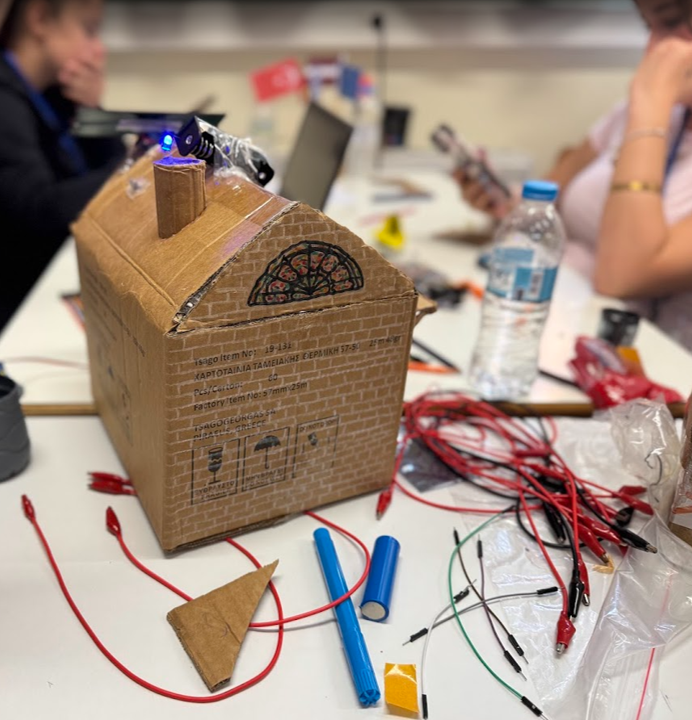
This is extra powerful for students from rural backgrounds or families where nobody works in tech or research. Often, these meetings are the first glimpse they get of a different kind of future.
And even though the project focuses on encouraging girls, all students benefit. Boys need these examples just as much. Everyone likes to see that learning, hard work, and sticking with your dreams pay off in all kinds of careers.
We’re also pushing for students to become solution builders, not just consumers of technology. Through innovation challenges and hands-on STEAM projects, they tackle local problems, using science and creative thinking to help their communities.
Put all this together—role models, classes across the curriculum, real world encounters, guidance, and projects with a purpose—and you get a school where the idea of a STEAM career actually feels real. Not just for a few students. For everyone.
Our experience keeps proving it: It’s about more than technical lessons. It’s about a school culture where students bump into inspiring examples all the time, get real advice, and start picturing themselves as changemakers.
That’s what we’re building at CTEN. We want every student, no matter their gender, where they live, or who they are, to feel that innovation, science, and technology are real options—not distant dreams. And when that happens, the EITIC-EU Fostering STEAM careers among schoolgirls through women role-models project is no longer just a project. It’s a spark for real, lasting change—helping young people see how their talents and ideas really can shape the future.

 eitic@cibervoluntarios.org